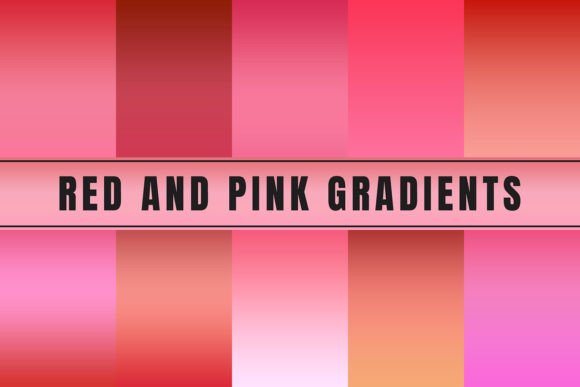
Red and Pink Gradients: Elevating Visual Design with Trendy Color Transitions
Color gradients have become an essential tool in modern design, offering a way to add depth, dimension, and visual interest to digital and print projects. Among the many gradient variations available, Red and Pink Gradients stand out for their versatility and ability to evoke strong emotional responses. These gradients are not just aesthetic choices—they are strategic tools that can transform ordinary designs into visually compelling compositions. Whether you're working on branding materials, social media visuals, or creative crafts, understanding how to effectively use Red and Pink Gradients can significantly enhance your design workflow.
Red and Pink Gradients are designed to be compatible with Adobe Photoshop CC or higher, making them accessible to professionals and hobbyists alike. Their premium quality ensures that they render beautifully across various mediums, from high-resolution digital artwork to printed materials. As trends evolve, so do color palettes, and Red and Pink Gradients offer a trendy and modern approach to design that aligns with current aesthetics.
The Appeal of Red and Pink Gradients in Modern Design
The combination of red and pink is inherently dynamic, blending the boldness of red with the softness of pink. This contrast allows for a wide range of applications, from subtle background overlays to striking foreground elements. The warmth of these colors makes them particularly effective in creating inviting and engaging visuals, which is why they are frequently used in marketing, fashion, and lifestyle industries.
One of the key advantages of using Red and Pink Gradients is their ability to convey energy and passion. Red is often associated with love, courage, and strength, while pink is linked to compassion, care, and femininity. Together, they create a powerful emotional impact that can be tailored to suit different contexts. For example, a brand targeting young adults might use vibrant red-pink gradients to communicate excitement and innovation, while a wellness company might opt for softer, more muted tones to promote calm and serenity.
These gradients are also highly adaptable. They can be layered, blended, or manipulated to achieve unique effects that cater to specific design needs. Whether you're looking to create a gradient that fades seamlessly from deep crimson to soft blush or one that transitions through multiple shades of pink, the flexibility of Red and Pink Gradients ensures that you can find the perfect match for your project.
Practical Applications of Red and Pink Gradients
The versatility of Red and Pink Gradients makes them suitable for a wide array of design projects. Here are some common use cases where these gradients shine:
- Graphics and Canva Backgrounds: Red and Pink Gradients serve as excellent base layers for graphics, especially when designing backgrounds for presentations, websites, or social media posts. Their vibrant yet balanced nature helps draw attention without overwhelming the viewer.
- Text Overlays: When applied as text overlays, these gradients can make typography stand out against complex backgrounds. They work well with both serif and sans-serif fonts, adding a touch of sophistication or playfulness depending on the context.
- Business Cards and Branding: Incorporating Red and Pink Gradients into business cards or logos can help establish a brand's identity. The right gradient can convey professionalism, creativity, or even a sense of fun, depending on the tone intended.
- Product Packaging: In product design, these gradients can be used to highlight key features or create a sense of movement. For instance, a cosmetics brand might use a gradient that transitions from red to pink to suggest transformation or renewal.
- Websites and Social Media: Websites and social media platforms benefit greatly from the use of gradients. A subtle red-pink gradient can enhance user experience by guiding the eye or creating a cohesive visual theme across different sections of a site.
- Banners and Posters: Banners and posters often require attention-grabbing visuals, and Red and Pink Gradients provide an effective solution. They can be used to emphasize headlines, create focal points, or add a pop of color to otherwise neutral designs.
- Digital Scrapbooking and Photography Albums: For those who enjoy digital scrapbooking or photo editing, these gradients can be used to frame images, add texture, or create a thematic background that complements the content.
Each of these applications demonstrates the adaptability of Red and Pink Gradients. By experimenting with different gradient styles and layering techniques, designers can unlock new possibilities and push the boundaries of traditional design practices.
Working with Red and Pink Gradients in Adobe Photoshop
Adobe Photoshop provides a robust platform for working with gradients, and the GRD format ensures seamless integration with the software. To begin, open Photoshop and navigate to the Gradient Tool (G). From there, you can select a preloaded Red and Pink Gradient or load a custom one by clicking on the gradient editor and choosing the appropriate file.
Once selected, you can adjust the gradient’s direction, opacity, and blending mode to achieve the desired effect. For instance, applying a gradient with a low opacity can create a subtle background that enhances the overall composition without overpowering other elements. Alternatively, using a high-opacity gradient can produce a bold and dramatic look that commands attention.
Another useful feature is the ability to combine gradients with other tools such as brushes, masks, and filters. This allows for greater control over how the gradient interacts with the rest of the design. For example, using a brush with a soft edge to apply the gradient can create a more organic transition between colors, while a mask can be used to limit the gradient to specific areas of the canvas.
It’s also worth noting that gradients can be saved as presets for future use. This is particularly helpful when working on multiple projects that require similar color schemes. By organizing your gradients into categories based on purpose or style, you can streamline your workflow and ensure consistency across different designs.
Considerations for Using Red and Pink Gradients
While Red and Pink Gradients offer numerous benefits, it's important to consider certain factors before incorporating them into your designs. One key consideration is the balance between color saturation and readability. Highly saturated gradients can be visually striking but may reduce legibility if used as background elements for text or images. To mitigate this, it's advisable to test different levels of opacity and contrast to find the optimal balance.
Another consideration is the context in which the gradient will be used. While Red and Pink Gradients are versatile, they may not be suitable for all scenarios. For example, a corporate website may prefer more subdued and professional color schemes, whereas a festival poster could benefit from the vibrancy of a red-pink gradient. Understanding the target audience and the message you want to convey is crucial in determining the right approach.
Lastly, it's important to stay informed about design trends and how they evolve over time. While Red and Pink Gradients are currently popular, their relevance may shift as new trends emerge. Keeping up with industry developments and experimenting with new combinations can help ensure that your designs remain fresh and relevant.
By carefully considering these factors and leveraging the full potential of Red and Pink Gradients, you can create visually stunning designs that resonate with your audience and stand out in a competitive market.