Rainbow Gradients: A Strategic Design Tool for Modern Creatives
Rainbow Gradients are more than just a visual flourish—they are a powerful design element that can elevate the aesthetic and emotional impact of any creative project. Designed to help creators make their work stand out, Rainbow Gradients offer a versatile and dynamic way to add color, depth, and movement to digital and physical designs. Whether you're working on branding materials, website backgrounds, social media graphics, or print projects, these gradients provide a modern, eye-catching solution that aligns with current design trends.
Understanding the Strategic Value of Rainbow Gradients
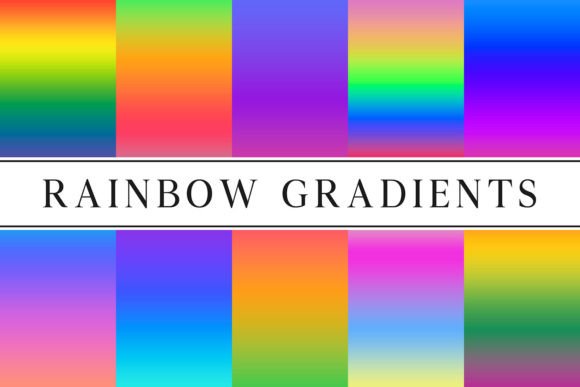
At their core, Rainbow Gradients are multi-colored transitions that blend seamlessly from one hue to another, often following the spectrum of the rainbow. This format is not only visually appealing but also highly adaptable. When used thoughtfully, they can enhance brand identity, evoke specific emotions, and create a sense of movement or energy in static designs.
For professionals and creatives, the strategic value of Rainbow Gradients lies in their ability to support clear goals. They can be used to reinforce brand messaging, create visual interest without overwhelming the viewer, and ensure consistency across various platforms and mediums. By integrating these gradients into your workflow, you can streamline the design process while maintaining a high level of quality and professionalism.
When and How to Use Rainbow Gradients Effectively
The effectiveness of Rainbow Gradients depends largely on how and when they are applied. These gradients are best suited for projects where vibrant, dynamic visuals are desired. Consider using them in the following scenarios:
- Branding Elements: Incorporate Rainbow Gradients into logos, business cards, or packaging to create a unique and memorable brand presence.
- Digital Backgrounds: Use them as background elements for websites, banners, or Canva templates to add depth and visual interest without distracting from the main content.
- Social Media Graphics: Apply them to posts, stories, or advertisements to capture attention and encourage engagement.
- Print Projects: Utilize them in posters, invitations, or photo albums to add a touch of creativity and vibrancy.
Before applying Rainbow Gradients, consider the context and purpose of your project. For example, if you're designing for a professional or corporate audience, a subtler gradient may be more appropriate than a full-spectrum rainbow. Conversely, for events like weddings, parties, or children's themes, bold and colorful gradients can enhance the celebratory mood.
Planning Tips for Intentional Use
To ensure that Rainbow Gradients contribute positively to your design, follow these planning tips:
- Align with Brand Identity: Ensure that the colors in the gradient match or complement your brand’s color palette.
- Consider Contrast: Avoid using gradients that clash with the text or other elements in the design. Maintain sufficient contrast for readability.
- Test Across Devices: Check how the gradient appears on different screens and resolutions to ensure it looks good everywhere.
- Balance with Simplicity: While gradients add visual appeal, overusing them can lead to clutter. Balance is key to achieving a polished look.
Practical Applications and Creative Possibilities
Rainbow Gradients are incredibly versatile and can be used in a wide range of creative projects. Here are some practical applications that demonstrate their value:
- Web Design: Use them as background overlays for hero sections or landing pages to create a striking first impression.
- Graphic Design: Apply them to illustrations, icons, or infographics to add dimension and visual interest.
- Photography: Incorporate them into photo editing to create unique effects or enhance the mood of an image.
- Text Overlays: Use them as text backgrounds to highlight quotes, headlines, or call-to-action statements.
- Digital Scrapbooking: Add them as background elements to create a cohesive and colorful layout.
By exploring these possibilities, you can discover new ways to integrate Rainbow Gradients into your workflow and expand your creative toolkit.
Strategic Observations and Decision-Making Guidance
While Rainbow Gradients offer many benefits, it's important to use them strategically rather than randomly. Here are some observations and guidance to help you make informed decisions:
- Use for Emotional Impact: Rainbow Gradients can evoke feelings of joy, excitement, or optimism. Use them intentionally to support the emotional tone of your project.
- Enhance, Don't Overwhelm: Always ensure that the gradient enhances the overall design rather than competing with other elements.
- Stay Updated on Trends: Keep an eye on current design trends to ensure your use of Rainbow Gradients remains relevant and effective.
- Experiment and Iterate: Don’t be afraid to experiment with different combinations and placements. Iteration is key to finding the perfect balance.
Potential Risks and Considerations
Like any design tool, Rainbow Gradients come with potential risks if not used carefully. One of the main risks is overuse, which can lead to a cluttered or unprofessional appearance. Additionally, using gradients that don’t align with your brand or message can confuse your audience or dilute your brand identity.
To mitigate these risks, always consider the purpose of your design and the expectations of your audience. Ask yourself whether the gradient adds value or simply serves as a decorative element. If the answer is the latter, it may be time to reconsider your approach.
Another consideration is compatibility. Rainbow Gradients are designed to be compatible with Adobe Photoshop CC or higher, ensuring that you can use them effectively in professional design software. However, it's important to verify that your tools and workflows support this format before investing in or using these gradients.
Conclusion: Elevating Your Designs with Purpose
Rainbow Gradients are a valuable asset for any designer looking to create visually stunning and emotionally engaging projects. When used with intention and strategy, they can enhance your work, support your goals, and leave a lasting impression on your audience. Whether you're working on branding, digital art, or print materials, these gradients offer a flexible and modern solution that can help you achieve better results.
By understanding their strategic value, considering their practical applications, and making informed decisions about their use, you can harness the power of Rainbow Gradients to take your creative projects to the next level. Remember, the key to success lies in thoughtful application—so use these gradients wisely and watch your designs shine.