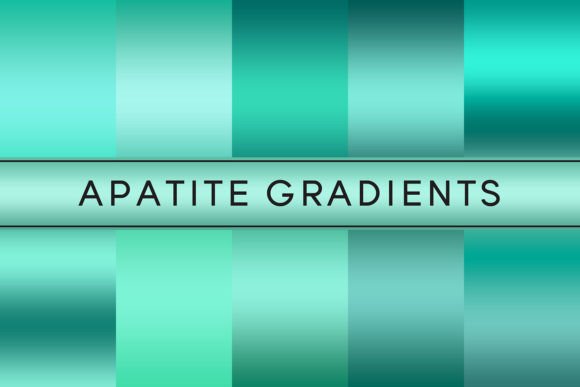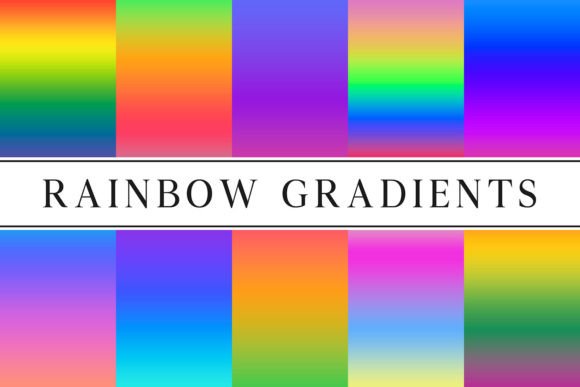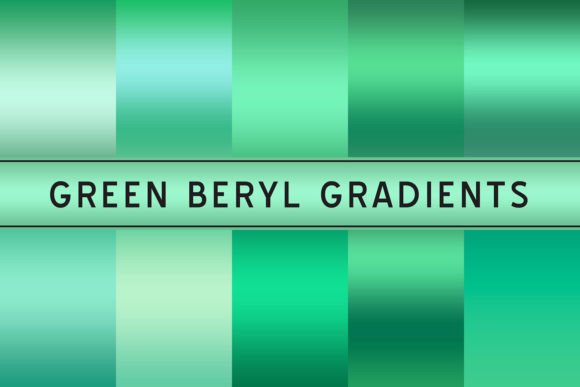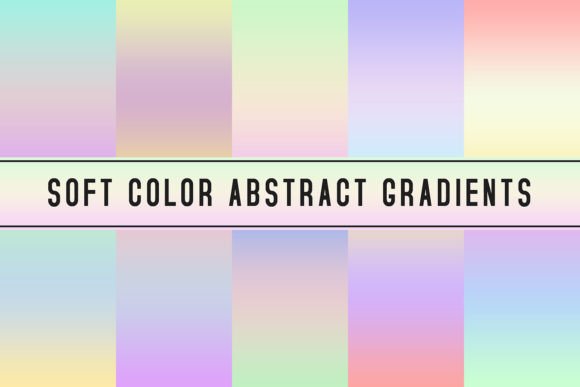
Retro Gradients: A Strategic Design Tool for Modern Creativity
In the fast-paced world of design, standing out is more important than ever. Whether you're working on branding materials, website backgrounds, or social media assets, the right visual elements can make all the difference. Retro Gradients offer a unique blend of nostalgia and modernity that can elevate your creative projects while aligning with strategic goals. Designed to help creators enhance their work, these gradients are not just aesthetic choices—they are functional tools that support communication, creativity, and brand identity.
Understanding Retro Gradients and Their Strategic Value
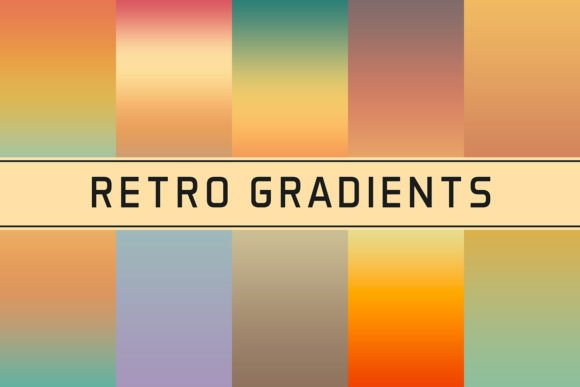
Retro Gradients are digital texture packs featuring gradient overlays inspired by vintage aesthetics. These gradients are crafted to provide a nostalgic feel while maintaining a contemporary edge. They are compatible with Adobe Photoshop CC and higher, making them accessible to professionals and hobbyists alike. The premium quality ensures they integrate seamlessly into various design contexts, from business cards to website banners.
The strategic value of Retro Gradients lies in their ability to add depth and character to otherwise flat designs. When used thoughtfully, they can reinforce brand messaging, evoke specific emotions, and create visual continuity across different platforms. For example, a small business owner might use Retro Gradients in their marketing materials to convey a sense of tradition and reliability, which could resonate well with older demographics or niche markets.
When and How to Use Retro Gradients Strategically
Knowing when to use Retro Gradients is as important as knowing how. They are particularly effective in projects where a balance between old-world charm and modern functionality is desired. Consider using them in:
- Business card designs to add visual interest without overwhelming the text.
- Social media posts to create eye-catching backgrounds that stand out in feeds.
- Website headers or banners to establish a cohesive theme.
- Photography albums or scrapbooking layouts to enhance storytelling through color.
- Digital invitations or party materials to give a touch of elegance and nostalgia.
Before applying Retro Gradients, it's essential to consider the context and audience. Ask yourself: Does this gradient align with the brand’s identity? Will it complement or clash with existing design elements? Is it appropriate for the intended message or emotion?
A practical approach involves experimenting with different gradient styles and opacity levels to find the right balance. Start with subtle overlays and gradually increase intensity until the effect feels natural and intentional.
Strategic Planning for Maximum Impact
To maximize the impact of Retro Gradients, incorporate them into a broader design strategy. This includes:
- Aligning with Brand Identity: Ensure the chosen gradient reflects the core values and personality of your brand. A tech startup may prefer sleek, minimal gradients, while a boutique store might lean into more vibrant, nostalgic tones.
- Considering Audience Preferences: Research what visuals resonate with your target audience. If your audience appreciates retro aesthetics, Retro Gradients can be a powerful tool to build emotional connections.
- Testing Across Platforms: Always test how gradients appear on different devices and screen sizes. What looks great on a desktop may not translate well to mobile, so adjust accordingly.
- Using for Consistency: Maintain consistency by using the same gradient across multiple touchpoints—such as social media, email newsletters, and packaging—to create a unified brand experience.
By planning strategically, you can ensure that Retro Gradients serve a clear purpose rather than being used as a random design choice. This approach helps avoid potential risks such as overuse, which can lead to cluttered or unprofessional-looking designs.
Possible Risks and How to Mitigate Them
While Retro Gradients offer many benefits, there are risks associated with their misuse. One common issue is the lack of clarity in design. If a gradient is too intense or doesn't match the overall composition, it can distract from the main message or content.
Another risk is the misalignment with brand positioning. Using Retro Gradients in a way that contradicts the brand’s image can confuse the audience and dilute the message. To mitigate these risks, always review your design decisions through the lens of your brand guidelines and audience expectations.
Additionally, consider the scalability of your design. Some gradients may look great in isolation but fail to maintain their appeal when applied across multiple formats or sizes. Test your designs in real-world scenarios to ensure they perform consistently.
Intentional Use for Long-Term Results
For long-term success, it's crucial to use Retro Gradients intentionally. This means integrating them into your creative workflow with purpose and understanding their role in the larger design ecosystem. Rather than relying solely on gradients, think about how they contribute to the overall narrative of your project.
Consider creating a style guide that outlines how and when to use Retro Gradients. This guide can include examples, best practices, and even restrictions to prevent misuse. It also serves as a reference point for team members or collaborators who may be involved in the design process.
Finally, keep an open mind and stay updated with design trends. While Retro Gradients draw inspiration from the past, they should still feel fresh and relevant. Regularly revisit your design choices to ensure they continue to meet your strategic objectives and audience needs.
Conclusion
Retro Gradients are more than just a design trend—they are a strategic asset that can enhance your creative projects when used wisely. By understanding their potential, planning their application carefully, and considering the broader context, you can leverage these gradients to achieve better results in your work. Whether you're a marketer, designer, or entrepreneur, incorporating Retro Gradients into your toolkit can help you create visually compelling and meaningful designs that resonate with your audience and support your long-term goals.